Finishing Your Denver Basement for Rental Income: 2026 Zoning and Kitchenette Must-Haves
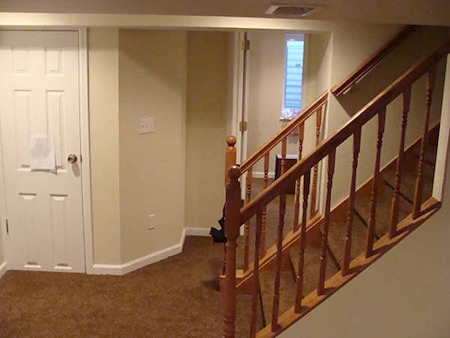
Turning unused space into steady income starts with smart planning. This 2026 guide explains how Denver basement finishing becomes rental‑ready, what a compliant kitchenette usually includes, and the steps that keep your project on schedule. If you want an experienced crew that designs, builds, and coordinates inspections, talk with O'Brien Construction about basement remodeling in the Denver area.
What Counts as a Legal Rental in 2026
Denver’s rules aim to protect safety and neighbors’ quality of life. Details vary by zoning district and your specific home, so the first step is verifying your address, zoning, and permit path with city reviewers. In many neighborhoods, a rentable basement may be treated as an accessory dwelling unit or a secondary suite. That can influence things like private entrance, parking allowances, and whether separate utility metering is recommended.
While specifics depend on your plan set and review comments, inspectors in the metro commonly look for basics like emergency escape and rescue openings in sleeping areas, working smoke and carbon monoxide alarms, grounded outlets with GFCI where required, and safe, code‑compliant stairs and handrails. Denver’s Residential Rental licensing program also requires a simple habitability check once you are renting long term. **Always confirm your scope, permits, and inspection list with the City and County of Denver before work begins.**
Kitchenette Must-Haves That Pass Inspection
For many rental scenarios a full kitchen is not required, but a practical kitchenette helps your unit live well and attract tenants. Plan the cabinet run and appliance layout early so electrical and plumbing rough‑ins land in the right spots.
- Dedicated sink with proper trap and venting, plus a durable, easy‑clean counter surface.
- Cooking appliance appropriate for the space, such as a 120V induction cooktop or combo wall oven; follow manufacturer clearance and electrical specs.
- Ventilation sized to the appliance. Recirculating hoods help with smells; hard‑ducted options may be required for certain setups.
- Refrigeration that fits the niche. Undercounter units save space; apartment‑size fridges balance capacity and energy use.
- Multiple GFCI‑protected small‑appliance circuits along the backsplash, placed at practical intervals.
Storage matters as much as appliances. Include at least one tall pantry cabinet and a bank of drawers for utensils. In older Denver homes, walls can be out of square; we scribe fillers and use laser layout so doors line up clean. If you want design help up front, our team can map cabinet sizes and plumbing stubs through basement design services to speed approvals and rough‑in accuracy.
Egress, Detectors, and The Safety Fundamentals
Legal bedrooms require a compliant emergency escape opening or other approved exit method. Most homeowners choose an egress window with a well sized for safe in‑and‑out access. **Never skip proper egress for a sleeping room; it protects lives and helps your project pass final inspection.** Throughout the unit, position smoke and carbon monoxide alarms according to current guidance and test them before the walk‑through.
Denver’s older basements can run cool and dry in winter yet humid during summer monsoons. Balanced ventilation and correctly located supply and return registers help air quality, while bath exhaust fans should be ducted outside with smooth, short runs. **Plan early for make‑up air and moisture control to keep the space comfortable year‑round.**
Layout And Sound Control For Peaceful Co‑Living
Think about daily life. Place the bedroom away from the upstairs staircase and keep the living area central for easy sightlines. We often float the kitchenette on a shared wall to simplify plumbing and venting. If your home is in Park Hill, Harvey Park, or University Hills, joist depths and subfloor layers can differ by era, so we verify structure before finalizing ceiling heights and soffits.
Sound privacy increases tenant satisfaction. We typically add insulation in joist bays, resilient channels under new drywall, and door sweeps at the entry. Where possible, separate the tenant’s main path from the family’s back‑of‑house areas. It is a small change that feels like two homes instead of one.
Kitchenette Layouts That Renters Love
Compact does not mean cramped. A straight‑run kitchenette on an 8‑ to 10‑foot wall with a 24‑inch sink base, 18‑inch dishwasher, 24‑inch drawer stack, and 24‑inch undercounter fridge creates a smooth prep triangle. For larger basements in Berkeley or Sloan’s Lake, an L‑shape or a short peninsula adds seating without eating up floor area. Keep upper cabinets shallower near stairs and soffits to avoid head bumps.
Lighting makes or breaks a basement kitchen. Use recessed cans on dimmers for general light and under‑cabinet LEDs for tasks. To see how light changes a space, explore ideas from our article on lighting in your denver basement and consider brighter wall colors to bounce light deeper into the room.
Appliance And Utility Planning
Even with a small kitchenette, plan utility loads like a pro. Put the cooktop on its own circuit, spec a quiet hood, and check clearances so cabinet fronts stay safe. Place the fridge near the water line if you want an icemaker. Where gas is already present, sealed‑burner appliances may be an option, but electrical cooktops simplify venting and service upgrades.
Water lines, drains, and cleanouts should be accessible. We label valves and leave a simple guide for tenants to reduce service calls. In 1950s ranches, we often re‑route low ductwork to gain ceiling height over the kitchenette. Little moves like this make the unit feel modern.
Bath, Laundry, And Storage That Win Renewals
Renters notice storage and laundry access. If the plan allows, stack a compact washer‑dryer near the bath with a louvered door for airflow. Choose low‑sill shower entries and slip‑resistant tile. Put shelving wherever you can: under stairs, inside mechanical closets, and along short hallways. Bright LED vanity lighting helps a basement bath feel like a main‑level suite.
Permits, Inspections, And Timelines In Denver, CO
Every project is unique, but a common sequence is design and scope confirmation, permit application, rough‑ins, inspections, and finals. Reviews can move faster when drawings are clear, existing utilities are verified, and product cut sheets are ready. If your basement becomes a licensed rental, expect routine safety checks after move‑in.
- Confirm zoning and intended use with city staff or your designer before demolition.
- Submit a clean, labeled plan set with appliance specs and window well details.
- Schedule rough plumbing, electrical, and framing inspections early to avoid seasonal queues.
- Walk the space before finals to test alarms, GFCIs, and ventilation.
We coordinate with reviewers, answer comment logs, and keep trades aligned so surprises are rare. That predictability matters when you want a tenant in place by a specific date.
Costs You Control Without Cutting Corners
Denver pricing varies by home size, material choices, and season. The biggest levers are layout efficiency, appliance selection, and how much rework your existing systems need. We help you pick finishes that handle tenant wear and tear, such as quartz tops, durable LVP, and cabinet doors with soft‑close hardware. Energy‑smart lighting and induction cooking also keep monthly bills reasonable for long‑term tenants.
Real‑World Tips From Finishing Basements Across Denver
Snowy weeks can push outdoor egress work, so plan window wells before deep winter. For flood‑prone blocks or older clay drains, consider backwater valves and sump checks. If your lot slopes in University or Hilltop, a daylight door can replace one egress window and make move‑ins easier. In all cases, measure twice for furniture paths. A great unit loses points if a sofa cannot reach the living room.
How O'Brien Construction Builds Rental‑Ready Basements
Our process keeps your project clear from day one. We confirm your goals, create a measured plan, and model the kitchenette so outlets, plumbing, and venting are right the first time. We then sequence framing, MEP rough‑ins, insulation, drywall, and trim with tidy job sites and consistent communication.
If you are comparing options, remember the value of experience. We finish basements for secondary suites and long‑term rentals, not just rec rooms. That means better sound control, durable finishes, and smart storage. See how our approach to basement remodeling integrates design, permits, and inspections into one streamlined build.
Ready To Explore Your Basement ADU In Denver?
Whether you are planning a secondary suite in Park Hill or a rental‑ready space in Harvey Park, a careful plan turns extra square footage into reliable income. Visit our home page through this guide to denver basement remodeling and review more ideas. When you are ready, schedule a free in‑home consultation with O'Brien Construction at 303-506-1262. If a 2026 move‑in is your goal, we can help you lock a realistic timeline and start design now.
Want a space that tenants love and inspectors green‑tag? Let’s map your scope and submit a clean plan set. Learn more about basement finishing in denver and get started with O'Brien Construction today.
Increase Your Highlands Ranch Home's Value With Our Home Remodeling Company